
If you are searching for YouTube Shorts AI generator, you probably want a faster way to create short videos without spending hours filming, cutting, captioning, resizing, and editing every single clip manually.
And honestly, I understand why.
YouTube Shorts can be a powerful content format, but creating them consistently is not as simple as people make it sound. You need ideas, hooks, scripts, visuals, captions, voiceovers, editing, music, pacing, titles, and sometimes thumbnails or cover frames. Then you have to repeat the process again and again.
That is where AI tools become attractive.
A YouTube Shorts AI generator can help you turn long videos into short clips, create Shorts from text prompts, add captions, generate voiceovers, create AI avatars, resize videos, find highlights, and repurpose blog posts or scripts into short-form videos.
But I want to be realistic from the beginning.
An AI Shorts generator will not magically make your channel grow overnight.
- It will not guarantee viral videos.
- It will not replace a clear content idea.
- It will not fix a boring hook.
- It will not understand your audience better than you do.
And if you use it without editing, it can easily create generic, repetitive, low-effort Shorts that look like every other AI-made video online.
So in this article, I want to show you how to use YouTube Shorts AI generators in a useful way: what they can help with, which tools are worth exploring, what should stay manual, and how to avoid creating robotic Shorts that do not help your audience.
If you are building a video content system, you may also want to read my guides on best AI video generator tools, blog post to video, and how to start a faceless YouTube channel.
What Is a YouTube Shorts AI Generator?
A YouTube Shorts AI generator is a tool that uses artificial intelligence to help create short-form videos for YouTube Shorts.
Depending on the tool, it may help with one or more parts of the process:
- Turning long YouTube videos into Shorts
- Finding highlight moments from podcasts, webinars, or tutorials
- Creating short videos from text prompts
- Generating scripts for Shorts
- Creating AI voiceovers
- Adding automatic captions
- Creating AI avatars
- Adding stock footage or B-roll
- Resizing videos into a vertical format
- Adding jump cuts, emojis, captions, and templates
- Repurposing blog posts into short video scripts
The key thing to understand is that “AI Shorts generator” does not always mean the same thing.
- Some tools generate Shorts from long videos.
- Some tools generate Shorts from text.
- Some tools generate captions only.
- Some tools create voiceovers.
- Some tools create AI avatar videos.
- Some tools are better for faceless channels.
- Some tools are better for creators who already have long-form videos and want to repurpose them.
So before choosing a tool, you need to know what type of Shorts you want to create.
The Main Types of YouTube Shorts AI Generators
There are different types of AI tools for YouTube Shorts. I like dividing them into categories because it makes the decision much easier.
1. Long Video to Shorts Generators
These tools take a long video and automatically find short clips from it.
For example, you upload a podcast, webinar, YouTube video, interview, course lesson, or talking-head video, and the AI suggests short clips that may work for Shorts.
This is useful if you already create long-form content.
Good for:
- Podcasts
- YouTube interviews
- Webinars
- Course lessons
- Talking-head videos
- Livestream highlights
- Educational videos
Tools in this category include OpusClip, VEED AI Shorts, CapCut YouTube Shorts Maker, vidyo.ai, Klap, and Vizard.
2. Text to Shorts Generators
These tools create short videos from text prompts or scripts.
You write an idea like:
“Create a 30-second YouTube Short explaining why bloggers should not fully automate AI articles.”
Then the tool may generate a script, visuals, voiceover, captions, and scenes.
This is useful if you do not have footage yet.
Good for:
- Faceless YouTube Shorts
- Educational clips
- Simple explainer videos
- AI-generated B-roll videos
- Quote videos
- List-style videos
- Blog-to-video repurposing
Tools in this category include InVideo AI, Canva AI Shorts Maker, VEED, FlexClip, Fliki, and Pictory.
3. AI Caption and Subtitle Tools
These tools do not always create the whole Short, but they help with one of the most important parts: captions.
For Shorts, captions matter because many people watch short-form videos quickly, silently, or while scrolling.
AI caption tools can help you add:
- Auto subtitles
- Animated captions
- Word-by-word captions
- Highlighted keywords
- Emoji-style captions
- Branded caption templates
Tools in this category include CapCut, Submagic, Captions, VEED Subtitle Generator, and Descript.
4. AI Voiceover Tools
If you want faceless Shorts, AI voice tools can help you create consistent narration without recording your own voice every time.
This is useful if:
- You are camera-shy
- You do not have a good microphone
- You want a consistent voice
- You create videos in batches
- You want multilingual voiceovers
- You need to edit the script often
Tools include ElevenLabs, Murf, PlayHT, Descript, and Fliki.
You can also read my guide on AI text to voice generator free if you want more voiceover options.
5. AI Avatar Shorts Generators
These tools create videos with an AI avatar or digital presenter.
This is useful if you want a person speaking in the video, but you do not want to film yourself every time.
Tools include HeyGen, Synthesia, D-ID, and Colossyan.
This can be useful for explainer Shorts, course clips, website tips, product videos, and educational content.
If you are interested in cloning your own face or voice for video, read how to make an AI clone of yourself.
What Can a YouTube Shorts AI Generator Actually Help With?
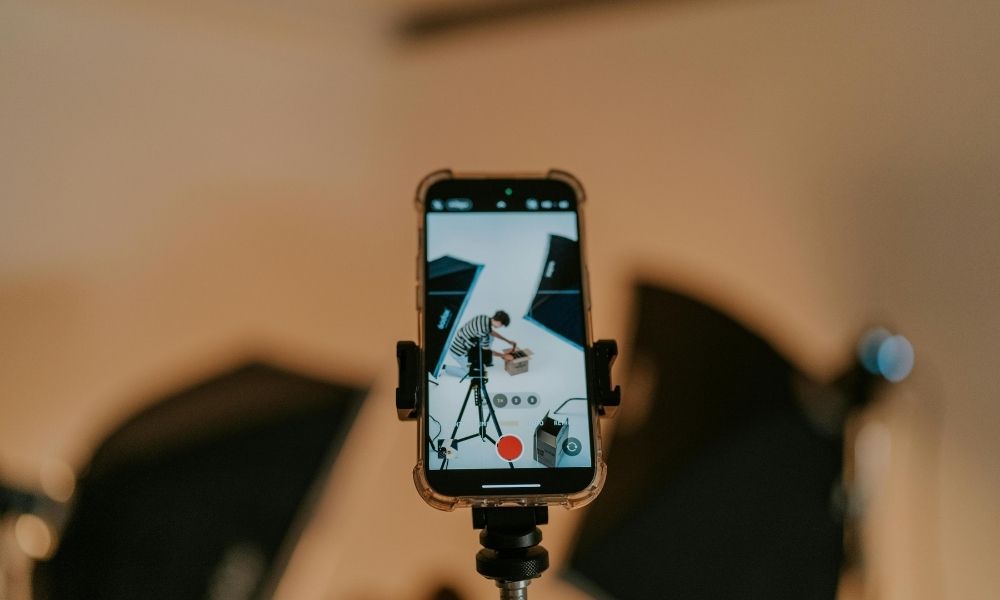
AI can help with many parts of Shorts creation, but the best use is not “make everything for me.”
The best use is to reduce repetitive work while you keep creative control.
1. Finding Short Clips From Long Videos
This is one of the most useful AI workflows.
If you already record long videos, podcasts, webinars, or tutorials, you may have many short moments hidden inside them.
An AI clipping tool can scan the video and suggest highlights.
This saves time because manually reviewing a 45-minute video to find 5 good Shorts can take a long time.
But you should still review the clips yourself.
The AI may choose a moment that sounds exciting but lacks context. Or it may cut the clip too early. Or it may miss the strongest moment because it does not understand your audience deeply.
Use AI to find candidates. You choose the final clips.
2. Creating Captions Faster
Captions are one of the best things to automate.
Manually typing captions is boring and slow.
AI caption tools can save a lot of time by automatically transcribing the video and creating subtitle styles.
But do not skip proofreading.
AI can mishear names, tools, websites, technical terms, and accents.
If your Short says “WordPress automation” and the caption says something wrong, it looks unprofessional.
3. Turning Blog Posts Into Short Scripts
If you already write blog posts, you have a huge content source.
One blog post can become many Shorts.
For example, an article about WordPress email automation could become Shorts like:
- “3 WordPress email automations beginners should build first”
- “The biggest mistake bloggers make with email automation”
- “Do not automate this email without reviewing it first”
- “Best simple lead magnet delivery workflow”
AI can help you extract these ideas and write short scripts.
But again, edit the final version so it sounds like a real creator, not a generic content machine.
4. Creating Voiceovers
AI voiceovers can be helpful when you want to create faceless Shorts.
For example:
- Screen recording + AI voiceover
- Stock footage + AI narration
- Canva slides + AI voiceover
- AI avatar + voiceover
- Blog tip + animated captions
A consistent voice can make your videos feel more branded.
But the script still matters more than the voice.
A beautiful voice reading a weak script is still a weak Short.
5. Resizing and Reformatting Videos
AI tools can help convert horizontal videos into vertical format.
This is useful if you record long YouTube videos and want to repurpose them into Shorts.
The tool may automatically crop around the speaker, add captions, and keep the face centered.
This saves editing time.
But always check the final framing. Sometimes the crop cuts important text, hands, screen details, or product visuals.
6. Creating B-Roll or Visual Scenes
Some tools can help generate or suggest visual scenes for your Shorts.
This is useful for faceless educational content.
For example, a Short about “AI tools for bloggers” may include:
- Screen recordings
- Stock footage of a creator desk
- Animated text
- Tool interface screenshots
- Simple icons
- AI-generated background clips
But do not make the visuals too random.
A common AI video mistake is using beautiful clips that have nothing to do with the message.
Best YouTube Shorts AI Generator Tools to Try
Now let’s go through the tools. I will not say one tool is perfect for everyone because your best choice depends on your content style.
1. OpusClip
OpusClip is one of the most popular AI clipping tools for turning long videos into short clips.
It is useful if you already have long-form videos, podcasts, webinars, interviews, or talking-head content.
Good for:
- Finding highlights from long videos
- Creating Shorts from podcasts
- Adding captions
- Repurposing webinars
- Turning YouTube videos into short clips
My honest take: OpusClip is useful if you already have content to repurpose. It is less useful if you have no original footage and want to create Shorts from scratch.
2. VEED
VEED YouTube Shorts Maker can help create and edit Shorts, including clipping, captions, resizing, and AI video features.
Good for:
- AI Shorts from existing video
- Auto subtitles
- Online editing
- Branding and templates
- Quick social video editing
My honest take: VEED is good if you want an all-in-one browser editor instead of using separate tools for captions, resizing, and editing.
3. CapCut
CapCut is one of the most practical tools for short-form video editing.
It is especially useful if you want to edit fast, add captions, use templates, and create vertical videos for Shorts, TikTok, and Reels.
Good for:
- Short-form editing
- Auto captions
- Templates
- Mobile editing
- Desktop editing
- AI shorts workflows
- Fast social content production
My honest take: Even if you use another AI generator, CapCut is still worth having for final editing. It gives you control over pacing, captions, music, cuts, and style.
4. Canva AI Shorts Maker
Canva AI Shorts Maker is useful if you like visual templates and simple design.
For bloggers, Canva is especially practical because you can create branded Shorts, simple text-based videos, templates, graphics, and social visuals in one place.
Good for:
- Text-based Shorts
- Educational slides
- Branded videos
- Simple AI video generation
- Quote-style Shorts
- Blog tip videos
My honest take: Canva is not always the most advanced video generator, but it is very useful for bloggers because it makes design easier.
5. InVideo AI
InVideo AI can help generate videos from prompts and scripts.
It is useful if you want to create faceless explainer videos, list videos, educational Shorts, and social content from text.
Good for:
- Text-to-video Shorts
- Faceless videos
- AI scripts
- Stock footage-based videos
- Voiceover videos
- Quick explainer content
My honest take: InVideo AI can help you start from an idea, but you should still edit the script and visuals. Do not publish the first version blindly.
6. Pictory
Pictory is useful for turning long-form content, scripts, and blog posts into videos.
For bloggers, this can be useful because your article can become a video draft.
Good for:
- Blog-to-video workflows
- Script-to-video content
- Faceless videos
- Educational video drafts
- Repurposing written content
My honest take: Pictory is good for repurposing, but you still need to make sure the visuals match the message. Blog-to-video tools can sometimes choose generic stock clips.
You can also read my Pictory AI review.
7. Descript
Descript is very useful for editing videos and audio from text.
If you create talking videos, podcasts, or screen recordings, Descript can help you remove mistakes, edit transcripts, create clips, and improve audio.
Good for:
- Podcast clips
- Talking-head videos
- Text-based video editing
- Voice cleanup
- Removing filler words
- Short video editing
My honest take: Descript is not just a Shorts generator. It is more like an AI editing workspace, which can be very useful if you create real recordings and want to repurpose them.
8. Submagic
Submagic focuses on captions and short-form video enhancement.
It can help create animated captions, hooks, emojis, B-roll suggestions, and short-form styling.
Good for:
- Caption-heavy Shorts
- Talking videos
- Social editing style
- Short-form hooks
- Fast caption design
My honest take: If your videos are already good but need better captions and short-form styling, Submagic can help.
9. vidyo.ai
vidyo.ai helps repurpose long videos into short clips for social platforms.
Good for:
- Podcasts
- Webinars
- Interviews
- Educational videos
- Long-form YouTube repurposing
My honest take: Like OpusClip, it is strongest when you already have long videos to clip from.
10. Klap
Klap is another AI clipping tool focused on turning YouTube videos into short clips.
Good for:
- YouTube-to-Shorts repurposing
- Auto captions
- Finding clip moments
- Creator repurposing workflows
My honest take: Klap is useful if your main workflow is turning existing videos into Shorts quickly.
11. Fliki
Fliki can help with text-to-video and AI voiceovers.
It can be useful for faceless educational Shorts and simple narrated content.
Good for:
- Text-to-video
- AI voiceovers
- Faceless Shorts
- Educational clips
- Blog repurposing
My honest take: Fliki can be useful if voiceover is a big part of your Shorts workflow, but it isn’t as professional as other tools.
12. HeyGen
HeyGen is useful if you want an AI avatar, Shorts, or a digital version of yourself speaking.
Good for:
- Avatar Shorts
- Course clips
- Explainer videos
- Website videos
- AI clone content
My honest take: HeyGen is better when you want a presenter-style video. But do not use an avatar for every single Short unless it actually adds value.
Which YouTube Shorts AI Generator Should You Choose?
Here is the easiest way to decide.
| Your Situation | Best Tool Type | Tools to Try |
|---|---|---|
| You already have long videos | AI clipping tool | OpusClip, VEED, vidyo.ai, Klap, Vizard |
| You want faceless Shorts from text | Text-to-video tool | InVideo AI, Pictory, Fliki, Canva, VEED |
| You need better captions | AI caption tool | CapCut, Submagic, Captions, VEED, Descript |
| You want AI voiceovers | Text-to-speech tool | ElevenLabs, Murf, PlayHT, Fliki, Descript |
| You want a talking avatar | AI avatar tool | HeyGen, Synthesia, D-ID, Colossyan |
| You want simple branded videos | Design-based video tool | Canva, CapCut, VEED |
For most beginner bloggers, I would not start with the most advanced tool.
I would start with a simple workflow like this:
- Use ChatGPT or Claude to help turn a blog post into a 30-second script.
- Use ElevenLabs or your own voice for narration.
- Use Canva, CapCut, or Pictory for visuals.
- Add captions in CapCut or VEED.
- Review manually before uploading to YouTube Shorts.
This gives you control without making the workflow too complicated.
What Should You Automate?
AI tools are best when they automate repetitive editing tasks, not creative responsibility.
Here are the things I would automate or semi-automate.
1. Caption Generation
Automate captions, then proofread them.
This saves time and improves watchability.
2. Resizing
Let AI help convert horizontal videos into vertical format.
But check the crop manually.
3. Clip Discovery
Use AI to find possible Shorts from long videos.
But choose the final clips yourself.
4. First Draft Scripts
Use AI to create script options.
But rewrite the hook, examples, and ending so it sounds human.
5. Voiceover Drafts
Use AI voice for narration if it fits your brand.
But adjust pacing and pronunciation.
6. Repurposing Ideas
Use AI to turn one blog post into many Shorts ideas.
But select only the strongest ideas.
What Should Stay Manual?
This is where many creators go wrong.
They try to automate everything, then wonder why the result feels generic.
I would keep these things manual:
- Choosing the video idea
- Understanding the audience
- Writing or editing the hook
- Checking facts
- Choosing the final clip
- Approving captions
- Editing the final pacing
- Checking if the Short feels useful
- Writing the final title
- Deciding whether AI disclosure is needed
The hook especially matters.
If the first two seconds are weak, the rest of the video may not matter.
AI can suggest hooks, but you should choose and improve them.
How to Create a YouTube Short With AI: A Simple Workflow
Here is a realistic workflow you can use.
Step 1: Choose One Clear Idea
Do not start with “make a video about blogging.”
Start with a specific idea.
Examples:
- “3 AI tools that help bloggers repurpose content”
- “Why you should not fully automate WordPress articles”
- “One simple way to turn a blog post into a Short”
- “The biggest mistake with AI voiceovers”
- “How to create a faceless YouTube Short from a blog post”
Shorts need focus.
One Short should usually explain one idea.
Step 2: Write a Short Script
A simple Shorts script can follow this structure:
- Hook: grab attention
- Problem: show the pain point
- Tip: give a useful idea
- Example: make it practical
- Ending: tell people what to do next
Example:
“If you are using AI to create YouTube Shorts, do not let the tool publish the first version. Use AI to create the draft, then edit the hook, captions, and examples yourself. That is the difference between a generic AI video and a Short that actually helps someone.”
Step 3: Choose the Video Type
Pick one format:
- Talking-head clip
- Faceless stock video
- Screen recording
- AI avatar
- Text-based Canva video
- Blog-to-video clip
- Long video highlight
Do not mix too many styles at once.
Step 4: Generate or Edit the Video
Use the right tool for the format.
- Long video clip: OpusClip, VEED, Klap, vidyo.ai
- Text-to-video: InVideo AI, Pictory, Fliki, Canva
- Caption editing: CapCut, Submagic, VEED
- Voiceover: ElevenLabs, Murf, Descript
- Avatar: HeyGen, Synthesia, D-ID
Step 5: Review the Video Like a Human Viewer
Before uploading, ask:
- Would I keep watching after the first two seconds?
- Is the message clear?
- Are the captions correct?
- Does the voice sound natural?
- Are the visuals relevant?
- Is the ending useful?
- Does it feel too generic?
- Does this match my channel style?
If the answer is no, edit before posting.
Step 6: Upload With a Clear Title
Your title should tell people what the Short is about.
Examples:
- “Do Not Fully Automate AI Blog Videos”
- “Best AI Shorts Workflow for Bloggers”
- “Turn One Blog Post Into 5 Shorts”
- “AI Voiceover Mistake Beginners Make”
- “Use AI Shorts Tools Like This”
Do not make the title vague just to sound clever.
YouTube Shorts AI Generator Ideas for Bloggers
If you run a blog, you already have content you can repurpose.
Here are shorts ideas you can create from blog posts.
1. “One Tip From This Article” Short
Take one practical tip from a blog post and turn it into a 30-second video.
Example:
“One mistake bloggers make with WordPress email automation is sending every email without reviewing the tone first.”
2. “Mistake to Avoid” Short
These work well because they are specific and useful.
Examples:
- “Do not auto-post the same caption everywhere.”
- “Do not use AI voiceovers without checking pronunciation.”
- “Do not turn every article into a generic video.”
3. “Tool Comparison” Short
Compare two tools quickly.
Example:
“OpusClip is better if you already have long videos. InVideo AI is better if you want to start from text.”
4. “Behind the Workflow” Short
Show how you turn one blog post into multiple content pieces.
This is perfect for creators who want to show process.
5. “Before You Use This Tool” Short
This is a good format because it feels honest.
Example:
“Before you use a YouTube Shorts AI generator, decide if you need a clipping tool, a text-to-video tool, or only a caption tool.”
What Can Go Wrong With AI-Generated YouTube Shorts?
AI Shorts can save time, but they can also create problems.
1. Generic Scripts
This is the biggest issue.
AI scripts often sound like:
“Are you ready to take your content to the next level?”
That line is everywhere.
A better hook is specific:
“If your AI Shorts look professional but nobody watches them, your hook is probably too slow.”
2. Random Visuals
Text-to-video tools sometimes choose stock footage that looks nice but does not match the message.
If your video is about WordPress automation and the tool shows random office footage, it may feel disconnected.
Use visuals that support the idea.
3. Wrong Captions
AI captions can make mistakes.
Always check names, tool names, numbers, and website URLs.
4. Overused Templates
Templates are useful, but if everyone uses the same style, your videos may look generic.
Customize fonts, colors, pacing, and structure when possible.
5. Weak AI Voice
Some AI voices sound too flat or too dramatic.
Choose a voice that matches your brand.
For educational content, clear and natural is usually better than overly cinematic.
6. No Real Point
A Short can look polished and still say nothing useful.
Before posting, ask:
What does the viewer get from this?
If the answer is unclear, the video needs work.
AI Disclosure and YouTube Shorts
If you use AI tools for YouTube Shorts, you should understand disclosure.
YouTube asks creators to disclose realistic content that is AI-generated or meaningfully altered when viewers could mistake it for a real person, place, scene, or event.
This matters especially if your video uses:
- Realistic AI avatars
- AI clones of real people
- Synthetic voices that sound like real people
- AI-generated realistic scenes
- Altered real events
- Fake realistic footage
If your video is clearly animated, obviously fictional, or only uses AI for support like captions, script brainstorming, or basic editing, the disclosure situation may be different.
But I would always be careful with realistic AI.
Do not mislead viewers.
Do not create fake testimonials.
Do not clone someone else’s face or voice without permission.
Do not make AI-generated scenes look like real events if they are not real.
Trust matters more than looking advanced.
Best Practices for Better AI YouTube Shorts
1. Start With the Hook
The first seconds matter a lot.
Instead of starting with:
“Today I will talk about YouTube Shorts AI generators…”
Try:
“Most AI Shorts fail because they automate the video but forget the idea.”
That is more direct.
2. Keep One Main Idea
Do not try to explain a full article in one Short.
One Short = one idea.
3. Use AI to Draft, Not Decide
Let AI suggest scripts, captions, titles, and visuals.
But you decide what is good enough.
4. Make Captions Easy to Read
Use captions that are large enough, clear, and not too crowded.
Avoid putting text too close to the bottom, where YouTube interface elements may cover it.
5. Match the Visuals to the Message
Do not use random stock videos just because they look pretty.
If the Short is about tools, show tools, screens, workflows, or relevant creator scenes.
6. Batch Your Shorts
A good workflow is to batch-create ideas.
For example:
- Monday: choose topics
- Tuesday: write scripts
- Wednesday: generate voiceovers
- Thursday: edit videos
- Friday: upload or schedule
This is much easier than starting from zero every day.
7. Track What Works
Do not only create more videos.
Watch what performs better.
Track:
- Which hooks get better retention
- Which topics get more views
- Which formats get more comments
- Which videos bring subscribers
- Which Shorts lead people to long-form videos or your website
If you want a better YouTube planning system, read how to start a YouTube channel and YouTube keyword research.
A Simple AI Shorts Workflow for Bloggers
Here is the workflow I would personally use for a blog like AI For Bloggers Hub.
Step 1: Choose a Blog Article
Pick an article that already has useful tips.
Example:
- WordPress workflow automation
- Free social media automation tools
- How to fix broken links
- How to make an AI clone of yourself
- Best AI video generator tools
Step 2: Extract 5 Shorts Ideas
Ask AI to turn the article into five short video ideas.
But choose only the best ones.
Step 3: Write a 30-Second Script
Keep it direct.
Use this format:
- Hook
- Problem
- Tip
- Example
- Soft call to action
Step 4: Generate Voiceover or Record Your Own
If you want a personal feel, record your own voice.
If you want consistency and speed, use an AI voice.
If you use a cloned voice, make sure it is your own voice or one you have permission to use.
Step 5: Create Visuals
Use Canva, CapCut, Pictory, InVideo AI, or VEED.
Keep visuals simple and relevant.
Step 6: Add Captions
Use CapCut, VEED, Submagic, or Descript.
Proofread everything.
Step 7: Upload and Test
Upload the Short, then watch results over time.
Do not judge your whole strategy from one video.
What I Would Not Do With a YouTube Shorts AI Generator
1. I Would Not Mass-Generate 100 Shorts Without Review
This sounds productive, but it usually creates average content.
I would rather publish fewer, better Shorts than flood a channel with generic AI videos.
2. I Would Not Use Fake AI People for Trust-Based Content
If your content is about personal experience, reviews, testimonials, or sensitive advice, be careful with AI avatars.
Real trust needs real responsibility.
3. I Would Not Use Random Viral Templates Without Strategy
Templates can help, but copying trends without understanding your audience rarely builds a strong channel.
4. I Would Not Let AI Pick Every Topic
AI can suggest topics, but you should choose based on your audience, niche, and channel direction.
5. I Would Not Ignore YouTube Policies
If your content uses realistic AI or synthetic media, understand disclosure rules and avoid misleading viewers.
Best For / Not Best For
A YouTube Shorts AI Generator Is Best For:
- Bloggers repurposing articles into videos
- Creators with long videos to clip
- Faceless YouTube channels
- Educational Shorts
- Tool explainers
- Course creators
- Social media managers
- Small business owners
- Creators who need captions and faster editing
- People who want consistent video production without filming daily
A YouTube Shorts AI Generator Is Not Best For:
- People expecting guaranteed viral results
- Creators who do not want to edit anything
- Channels built on personal trust but using fake avatars carelessly
- Mass-produced low-effort content
- Videos that need real proof or demonstration
- Anyone using AI to impersonate others
- Creators who ignore script quality
My Honest Take
My honest take is that a YouTube Shorts AI generator can be very useful, but only if you use it with the right expectations.
I do not believe AI should fully replace your creative thinking, nor can a tool guarantee viral Shorts.
Also, I do not believe mass-generated AI videos are a strong long-term strategy.
But I do believe AI can help you create Shorts faster and more consistently.
- It can help you find clips from long videos.
- It can help you create captions.
- It can help you turn blog posts into scripts.
- It can help you create voiceovers.
- It can help you resize and format videos.
- It can help you test more ideas without spending hours editing from scratch.
The key is to keep human control over the important parts: topic, hook, message, quality, truth, and final review.
That is the balance.
Use AI to speed up production.
Use your own judgment to make the video worth watching.
Final Thoughts: Use AI Shorts Tools as Assistants, Not Content Factories
A YouTube Shorts AI generator can be a powerful part of your content workflow.
Tools like OpusClip, VEED, CapCut, Canva, InVideo AI, Pictory, Descript, Submagic, vidyo.ai, Klap, Fliki, ElevenLabs, HeyGen, and Synthesia can help with different parts of Shorts creation.
But the best tool depends on your workflow.
- If you already have long videos, use an AI clipping tool.
- If you write blog posts, use blog-to-video or script-to-video tools.
- If you want faceless videos, use AI voice and visual tools.
- If you want a presenter, use an AI avatar tool.
- If you only need captions, use a caption-focused tool.
Do not choose a tool because it promises fast content.
Choose the tool that solves your real bottleneck.
And remember: the goal is not to create more AI videos just because you can.
The goal is to create useful Shorts that help people, support your channel, and fit your brand.
AI can make the process faster.
But you still need to make the content worth watching.
FAQs About YouTube Shorts AI Generators
What is the best YouTube Shorts AI generator?
There is no single best tool for everyone. OpusClip, VEED, vidyo.ai, and Klap are useful for turning long videos into Shorts. InVideo AI, Pictory, Fliki, and Canva are useful for text-to-video or faceless Shorts. CapCut, Submagic, and Descript are useful for captions and editing.
Can AI create YouTube Shorts from text?
Yes, some AI tools can create short videos from text prompts or scripts. Tools like InVideo AI, Canva, Pictory, Fliki, and VEED can help create videos from written ideas, but you should still review the script, visuals, and final edit.
Can I turn long YouTube videos into Shorts with AI?
Yes, tools like OpusClip, VEED, vidyo.ai, Klap, and Vizard can help find highlights from long videos and turn them into vertical clips for Shorts. You should still review the selected clips before publishing.
Are AI-generated YouTube Shorts monetizable?
AI-generated content can exist on YouTube, but monetization depends on YouTube’s policies, originality, quality, and how the content is created. Low-effort, repetitive, or misleading AI content can be risky. Always focus on useful, original, and properly reviewed content.
Do I need to disclose AI-generated YouTube Shorts?
YouTube asks creators to disclose realistic AI-generated or meaningfully altered content when viewers could mistake it for a real person, place, scene, or event. If you use realistic AI avatars, synthetic voices, or altered realistic scenes, review YouTube’s disclosure guidance carefully.
Can I use AI voiceovers for YouTube Shorts?
Yes, AI voiceovers can be useful for faceless Shorts, educational clips, and narrated videos. Tools like ElevenLabs, Murf, PlayHT, Descript, and Fliki can help. Always check pronunciation and make sure the voice fits your brand.
Are free YouTube Shorts AI generators good enough?
Free tools can be good for testing, but they often have limits such as watermarks, export quality restrictions, video length limits, credits, or fewer features. Use free plans to test your workflow, then upgrade only if the tool truly saves time.
What is the biggest mistake with AI Shorts?
The biggest mistake is letting AI create and publish generic videos without human review. AI can help with drafts, captions, clips, and voiceovers, but you should still control the idea, hook, accuracy, pacing, and final quality.