There’s a moment every blogger hits — usually somewhere between their 20th and 50th post — where you think: “I’m putting out all this free content… is there a way to actually make money from what I know?”
The answer is digital products. And if you’ve been putting it off because it sounds complicated, expensive, or like something only “big” creators do — I get it. I felt the same way.
But here’s what changed my perspective: AI tools have made it genuinely possible to create simple, useful digital products without a design degree, a big team, or weeks of work. We’re not talking about building a full online course from scratch. We’re talking about practical, focused products you can create in a weekend
This guide covers real digital product ideas that work for bloggers — especially if you’re already creating content and just need a way to package your knowledge into something people will pay for. I’ll walk through each idea, explain how AI can help (and where it can’t), and share the mistakes I’ve made so you can skip them.
Why Digital Products Make Sense for Bloggers
Before we get into specific ideas, let’s talk about why this matters.
Blog content is great for traffic, but it has limits. You write a post, people read it, maybe they click an ad. That’s it. A digital product lets you:
- Earn beyond ad revenue — even a $9 product sold 20 times a month adds up
- Build deeper trust — a well-made product shows you actually know your stuff
- Create something once, sell it repeatedly — no inventory, no shipping, no restocking
- Leverage content you’ve already written — your blog posts are research you’ve already done
The key is starting small. You don’t need a flagship course. You need one useful thing that solves one specific problem for your readers.
Digital Product Ideas That Actually Work for Bloggers
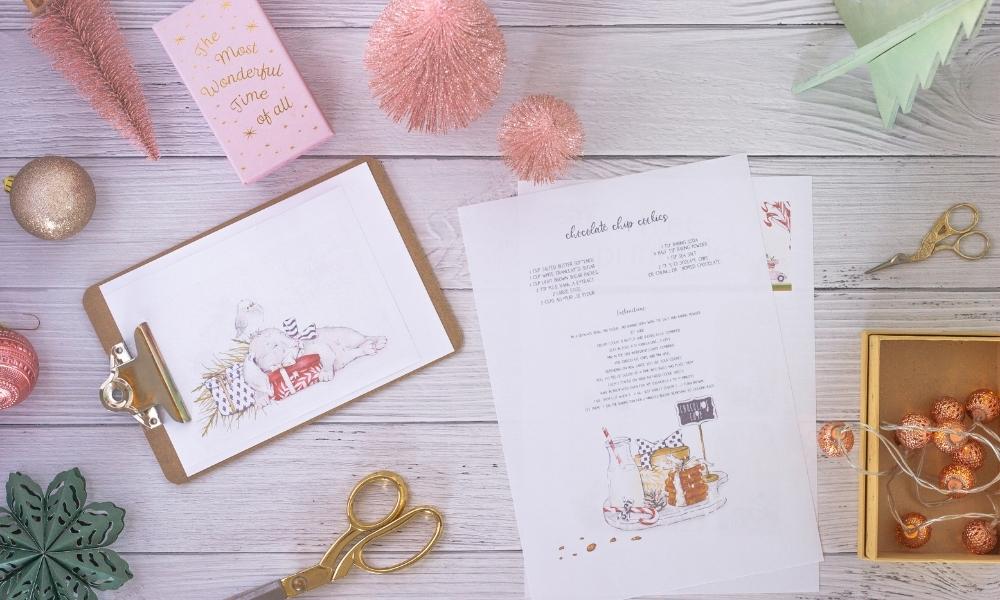
1. Printable Checklists and Cheat Sheets
This is the easiest starting point, and I recommend it for almost every blogger.
Think about your most popular blog posts. Is there a process, a list of steps, or a set of tips that readers could use as a quick reference? That’s your product.
Examples:
- A “Blog Post Publishing Checklist” (for blogging niches)
- A “Weekly Meal Prep Cheat Sheet” (for food bloggers)
- A “Pinterest Pin Design Checklist” (for content creators)
How AI helps: Use ChatGPT or a similar AI writing tool to draft the content, organize it into sections, and refine the wording. Then design it in Canva using a simple template.
How AI doesn’t help: AI won’t know what your specific audience actually struggles with. That comes from your blog comments, emails, and experience. Don’t just generate a generic checklist — make it specific to what your readers ask you about.
Time to create: 2-4 hours Selling price range: $3-$9 Best for: Bloggers with how-to or educational content Not best for: Niches where the information is too general to feel worth paying for
2. Ebooks and Short Guides
Not a 200-page book. Think 15-40 pages — a focused guide on one topic you know well.
The secret to ebooks that actually sell? They solve a problem faster than your free blog posts do. A reader might find 10 of your articles on a topic, or they can buy your guide that pulls everything together in one organized place with extra details.
Examples:
- “The Beginner’s Guide to Starting a Food Blog” (30 pages, step-by-step)
- “AI Tools Starter Kit: What to Use, What to Skip” (20 pages with comparison tables)
- “Pinterest Strategy for New Bloggers” (25 pages with templates)
How AI helps: AI is genuinely useful here. You can use it to create outlines, draft chapters, expand on points, and format content. If you’re already using AI for blog writing, you know the workflow — it’s similar but longer-form.
The catch: An AI-drafted ebook will read like an AI-drafted ebook unless you edit it heavily. Your readers are buying your perspective, not a ChatGPT summary. Use AI as a first draft tool, then rewrite with your voice, your examples, and your opinions. The guide on how to humanize AI content applies here more than anywhere — people can tell when an ebook is just AI output with a cover page.
Time to create: 1-2 weeks (with AI help for drafting) Selling price range: $9-$27 Best for: Bloggers with deep knowledge in a specific area Not best for: Brand new bloggers who haven’t found their niche yet
3. Template Packs
Templates are one of the best-selling digital product categories, and for good reason — people will pay to skip the “blank page” problem.
Examples:
- Canva social media templates (Instagram posts, Pinterest pins, story templates)
- Notion planning templates (content calendars, project trackers)
- Email sequence templates (welcome series, launch emails)
- Blog post outline templates — pair these with effective ChatGPT prompts for blog posts and you’ve got a genuinely useful bundle
How AI helps: AI can generate the text content for templates — email copy, social media captions, planning frameworks. You handle the design and structure in tools like Canva, Notion, or Google Docs.
What to watch out for: Don’t create 50 mediocre templates. Create 8-12 really good ones. Quality beats quantity every time with template packs. I made this mistake early — I bundled 30 templates thinking more = more value. Buyers used maybe 5 of them and the rest felt like filler.
Time to create: 3-7 days Selling price range: $7-$19 Best for: Bloggers in business, marketing, productivity, or design niches Not best for: Niches where templates don’t naturally fit (e.g., personal essay blogs)
4. Prompt Packs and AI Toolkits
This is a newer category, but it’s growing fast — especially if your audience is other bloggers or content creators.
People know AI tools exist, but they don’t know how to use them well. A curated set of prompts, workflows, or tool recommendations saves them hours of trial and error.
Examples:
- “50 ChatGPT Prompts for Blog Content” with explanations of when to use each one
- “The AI Blogging Toolkit” — a guide to which tools handle what, with setup instructions
- “Content Repurposing Prompts” — prompts to turn one blog post into social posts, emails, and video scripts
How AI helps: Ironically, you can use AI to help test and refine prompts. But the real value is your curation and explanation. Anyone can ask ChatGPT to generate prompts. What people pay for is knowing which prompts actually produce good results and why.
Time to create: 2-5 days Selling price range: $5-$15 Best for: Bloggers whose audience uses AI tools (or wants to start) Not best for: Audiences who aren’t interested in AI or tech tools
5. Mini Courses (Video or Text-Based)
I’m listing this last intentionally because it’s the most work — and the most common mistake I see bloggers make is jumping straight to courses before they’ve validated demand with simpler products.
A mini course isn’t a 40-lesson masterclass. It’s 5-8 short lessons (video or written) that walk someone through a specific result.
Examples:
- “Set Up Your WordPress Blog in a Weekend” (5 video lessons, 10-15 min each)
- “Create Your First AI-Assisted Blog Post” (text-based, 6 lessons with exercises)
- “Pinterest for Beginners: Your First 30 Days” (mix of video and checklists)
How AI helps: AI can help you outline the curriculum, draft lesson scripts, create supporting materials, and even generate video content if you use AI video generator tools for faceless lessons. It can also help write quizzes, worksheets, and summary handouts.
How AI falls short: Teaching requires personal insight, real examples, and the ability to anticipate where students get stuck. AI can’t replicate your teaching instinct. Use it for the production work, not the core teaching decisions.
Time to create: 2-4 weeks Selling price range: $19-$49 Best for: Bloggers with proven expertise and an engaged audience Not best for: Your first digital product (start simpler, validate demand first)

How to Actually Create Your First Product (Step by Step)
Here’s a realistic workflow:
- Pick one idea — Start with the simplest one that matches your niche. Checklists or templates for most people.
- Validate the idea — Look at your most-read blog posts. What questions do readers ask in comments or emails? That’s your product topic.
- Draft the content with AI — Use ChatGPT or your preferred AI writing tool to create a first draft. Be specific with your prompts — tell the AI your audience, their level, and what outcome the product should deliver.
- Edit and personalize — This is non-negotiable. Rewrite in your voice, add your examples, remove anything generic.
- Design it — Use Canva for PDFs, Notion for templates, or Gumroad for delivery.
- Set up a simple sales page — You don’t need fancy software. A WordPress page with a clear description, a few bullet points, and a buy button works fine. If you’ve already got WordPress automation in place, you can integrate this into your existing workflow.
- Promote through your blog — Add a mention in related blog posts, create a dedicated post about the product, and share it on your social channels.
- Get feedback and improve — Your first version won’t be perfect. That’s okay. Ship it, get real feedback, and update it.
My Honest Take
Here’s what I’ve learned from actually making and selling digital products as a blogger:
The hardest part isn’t creating the product — it’s believing people will pay for it. Most bloggers undervalue their knowledge. If you’ve been blogging about a topic for months, you know more than 90% of beginners in that space. That’s worth packaging.
AI makes the production 3-4x faster, but it doesn’t replace the thinking. The best-selling digital products I’ve seen all have a clear point of view, specific examples, and obvious personal experience baked in. AI can handle the scaffolding — outlines, first drafts, formatting — but the substance has to come from you.
Start with a $7-$12 product, not a $97 course. Lower price = lower buyer resistance = faster feedback loop. You can always build up to premium products once you know what your audience actually wants.
And honestly? Some blog niches aren’t great for digital products. If your content is purely entertainment or news commentary, a digital product might feel forced. That’s okay — it doesn’t mean your blog isn’t valuable, it just means a different monetization model (ads, sponsorships, affiliate content) might fit better.
Common Mistakes to Avoid
1. Creating a Product Nobody Asked For
The #1 mistake. Don’t build what you think is cool — build what your readers actually need. Check your analytics, comments, and emails before you start.
2. Over-Relying on AI for the Final Product
Using AI to draft is smart. Selling a raw AI output as a digital product is not. Buyers can tell, and it damages trust. Always edit, personalize, and add your own expertise.
3. Making It Too Big
A focused 15-page guide that solves one problem will outsell a bloated 80-page ebook that covers everything vaguely. Resist the urge to pad it out.
4. Skipping the Sales Page
“Here’s a PDF, give me $9” isn’t a sales page. Explain what the product is, who it’s for, what problem it solves, and what they’ll walk away with. Keep it simple, but make it clear.
5. Not Promoting It
Creating the product is half the work. If you write one blog post about it and never mention it again, don’t be surprised when sales are slow. Weave it into your content naturally — mention it in relevant blog posts, link to it in your email welcome sequence, share it periodically on social media.
6. Pricing Based on Page Count Instead of Value
A 3-page checklist that saves someone 10 hours of research is worth more than a 50-page ebook full of information they could find free on Google. Price based on the outcome, not the length.
Conclusion: Pick One Idea and Start This Week
You don’t need to figure out all your digital product ideas at once. You need one. Just one product that solves a real problem for your readers, created with the help of AI tools to speed up the process, and polished with your own experience and voice.
If you’re brand new to this: start with a checklist or cheat sheet. It’s low risk, fast to create, and teaches you the entire process — from creation to sales page to promotion.
If you’ve been blogging for a while and have a solid audience: consider a short ebook or template pack. You probably already have the content scattered across your blog posts — AI can help you organize and package it.
The digital product space isn’t about building some massive empire overnight. It’s about taking what you already know, making it useful and accessible, and giving your readers a reason to invest in the shortcut. Start small. Start this week. You’ll learn more from launching one imperfect product than from planning ten perfect ones.
Want more practical AI and blogging guides? Browse the latest at AI for Bloggers Hub.